
Our Story
Company Overview
Telecommunications Services of Trinidad and Tobago Limited is jointly owned by National Enterprises Limited (NEL) which in turn is majority owned by the Government of Trinidad and Tobago, and Cable & Wireless (West Indies) Limited, (C&W). NEL owns 51% of TSTT’s issued share capital, while C&W holds 49%.
TSTT is the country’s largest provider of communications solutions to the residential and commercial markets and its leading edge products are designed around its IP-based core infrastructure and marketed under the bmobile brand. In addition to fixed line and mobile communications, the company has an innovative line of devices; Broadband access including best-in-class Wi-Max and HSPA+ 4G technologies; Metro Ethernet; TelePresence and Video Conferencing; subscription-based IPTV as well as business and home alarm monitoring services.
TSTT is the industry leader deploying both wireless and fiber optic networks to deliver voice, data and multimedia capabilities making it also one of the most advanced solutions provider in the country. The company’s customers include key industry leaders in the finance, energy, government, manufacturing, education, healthcare and tourism sectors.
As a leading corporate citizen, TSTT is proud of its social responsibility efforts, inclusive of its employee volunteerism programme. By leveraging employee and technology resources in these ventures, TSTT has a long-standing history of making a very meaningful difference in the lives of our future leaders.
OUR VISION
We will take the lead in the digital transformation of Trinidad and Tobago and the Caribbean by sustainably expanding our reach and continuously innovating our products and services.
OUR MISSION
Our mission is to enable all citizens and visitors to Trinidad and Tobago to effectively work, play and communicate everywhere by leveraging technological and digital innovation, delivered by a passionate and dedicated workforce.
Corporate History

1883
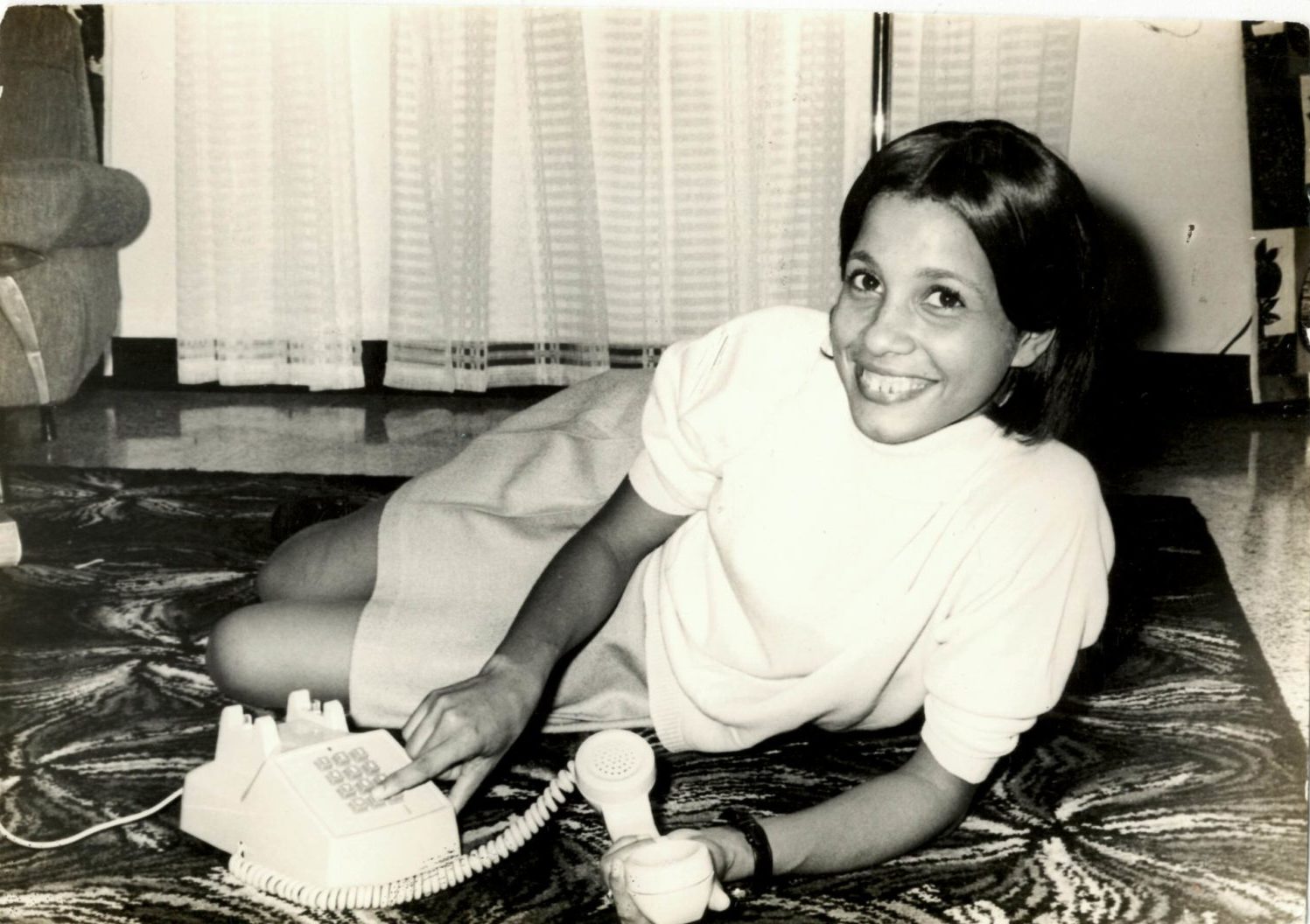
The first telephone is introduced in Trinidad and Tobago and the first Telephone Exchange was located adjacent to the Town Hall (now City Hall) on Frederick Street. In the late 1800s, telephone service expanded out of Port of Spain into Carenage and Chaguaramas. The early system consisted of battery operated telephones connected to a magneto switchboard.
1900
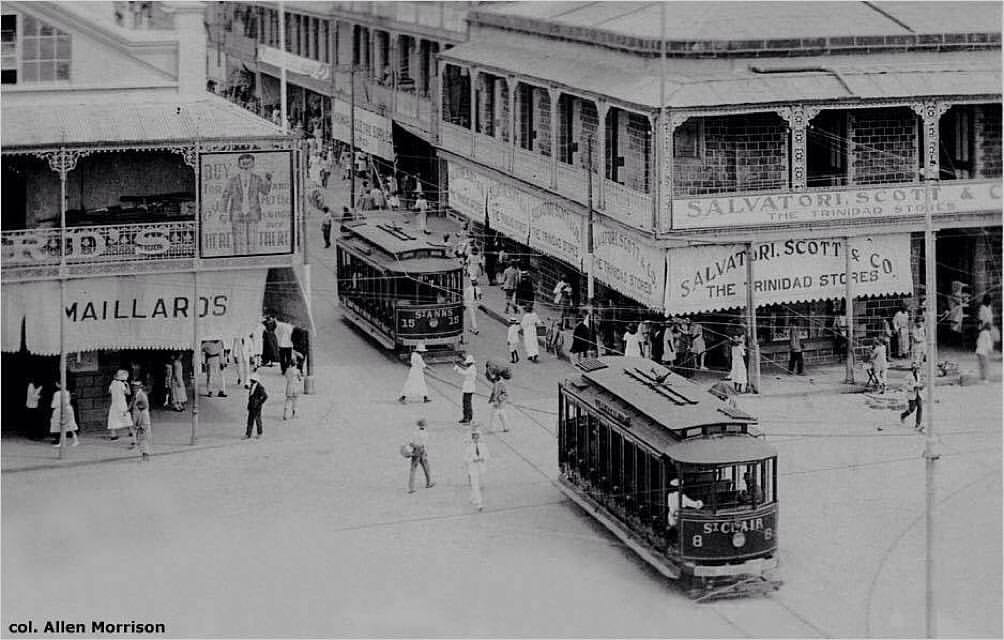
After enacting the Telephone Communication Ordinance, the government began operating telephone lines in rural areas in the early 1900s – from Arima to Manzanilla and from San Fernando to Cedros. Records show that a Mr. Bell of Bacolet started the service in Tobago.
1930
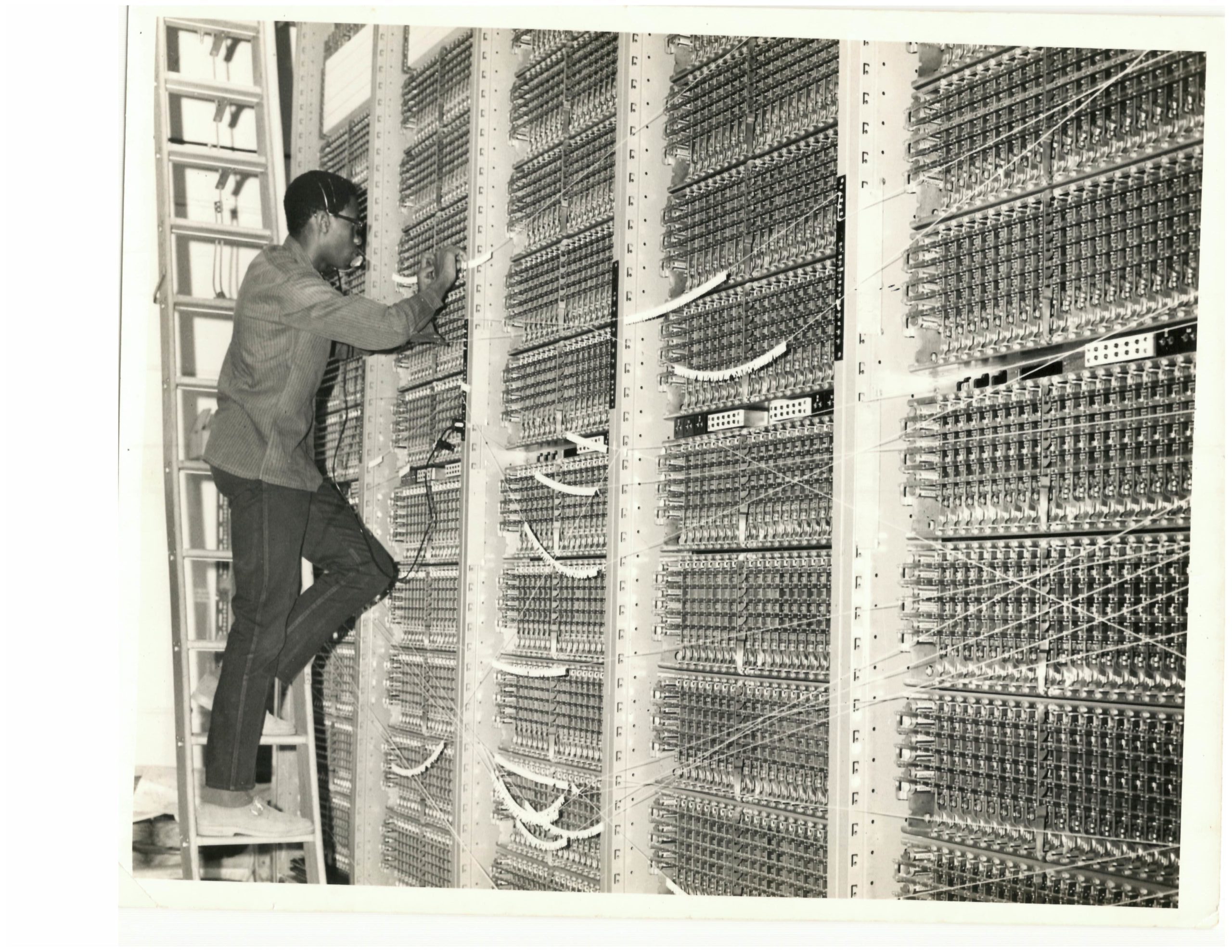
The British owned Trinidad Consolidated Telephones Limited was responsible for the early developmental growth of the telephone network in Trinidad and Tobago from the mid-1930’s until 1960. Approximately 6300 lines were in service when the Country got its first 1000-line Step-By-Step Exchange in 1936.
1960
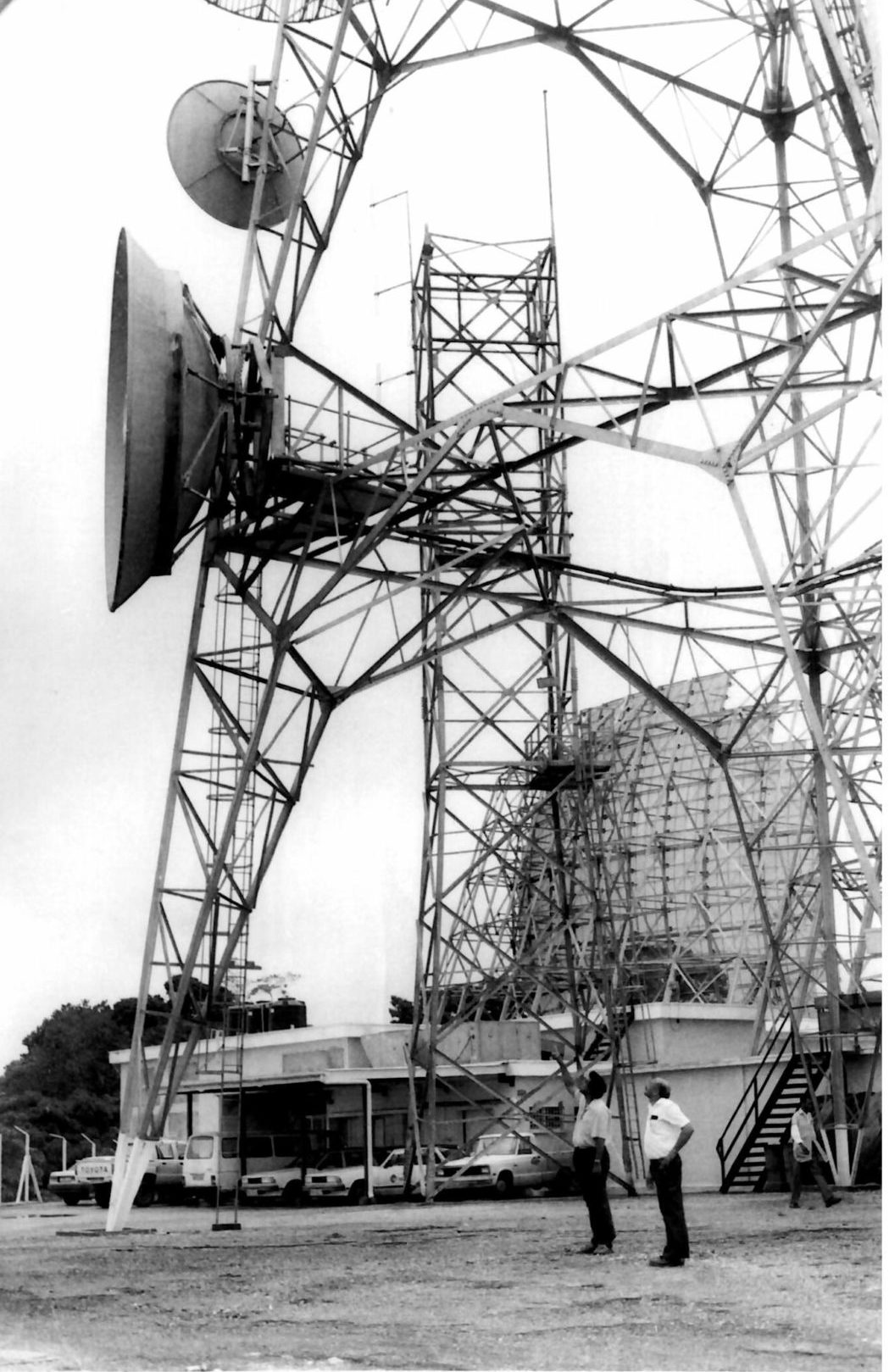
After a prolonged strike in 1960, which existed for 1,124 days, the Government of the day purchased the Company and on November 30th, Trinidad Consolidated Telephones Limited became the state-owned Trinidad and Tobago Telephone Service. Between 1960 and 1989, significant investment resulted in rapid expansion of telephone service across Trinidad and Tobago.
1969
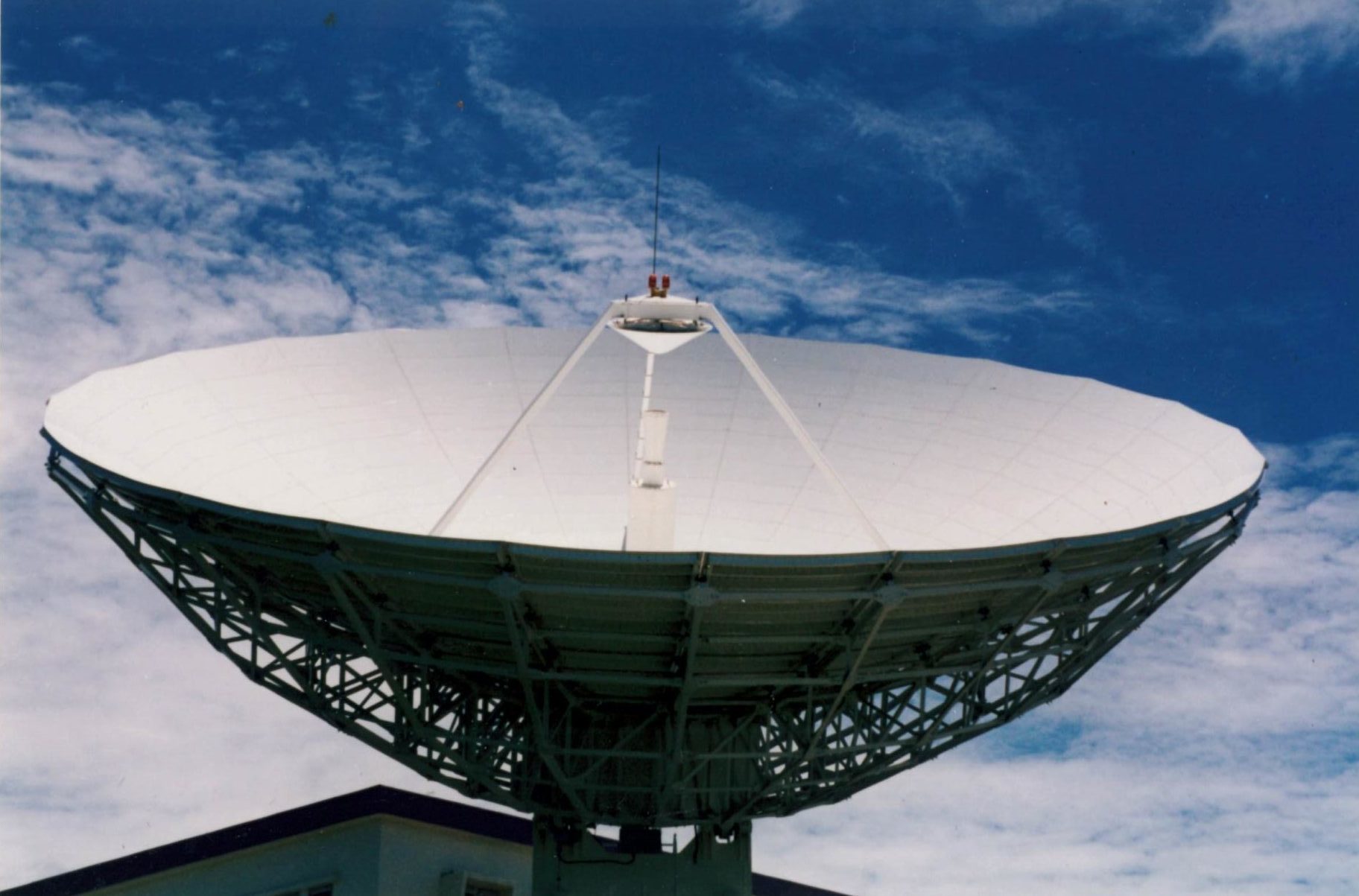
TEXTEL (Trinidad and Tobago External Telecommunications Company Limited) was incorporated as a limited liability company in December 1969 as a joint venture participation. The Government of Trinidad and Tobago held 51% of the share capital and Cable and Wireless (West Indies) Limited held the other 49%.
1974
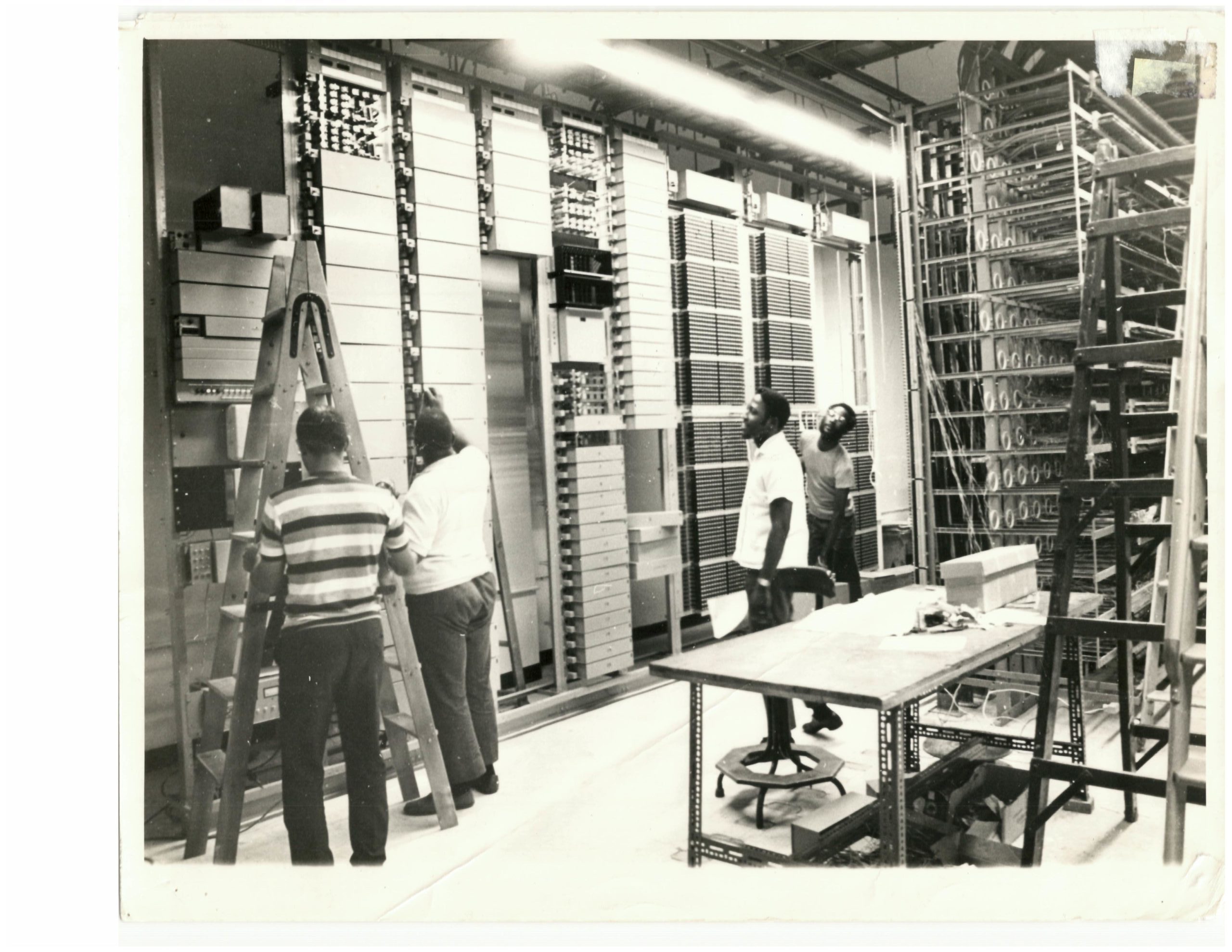
Major advancements took place in the telecommunications industry in 1974. A loan agreement was signed with the World Bank for 18 million dollars to carry out a massive development programme, resulting in the introduction of modern, electronic stored programme equipment at the exchanges.